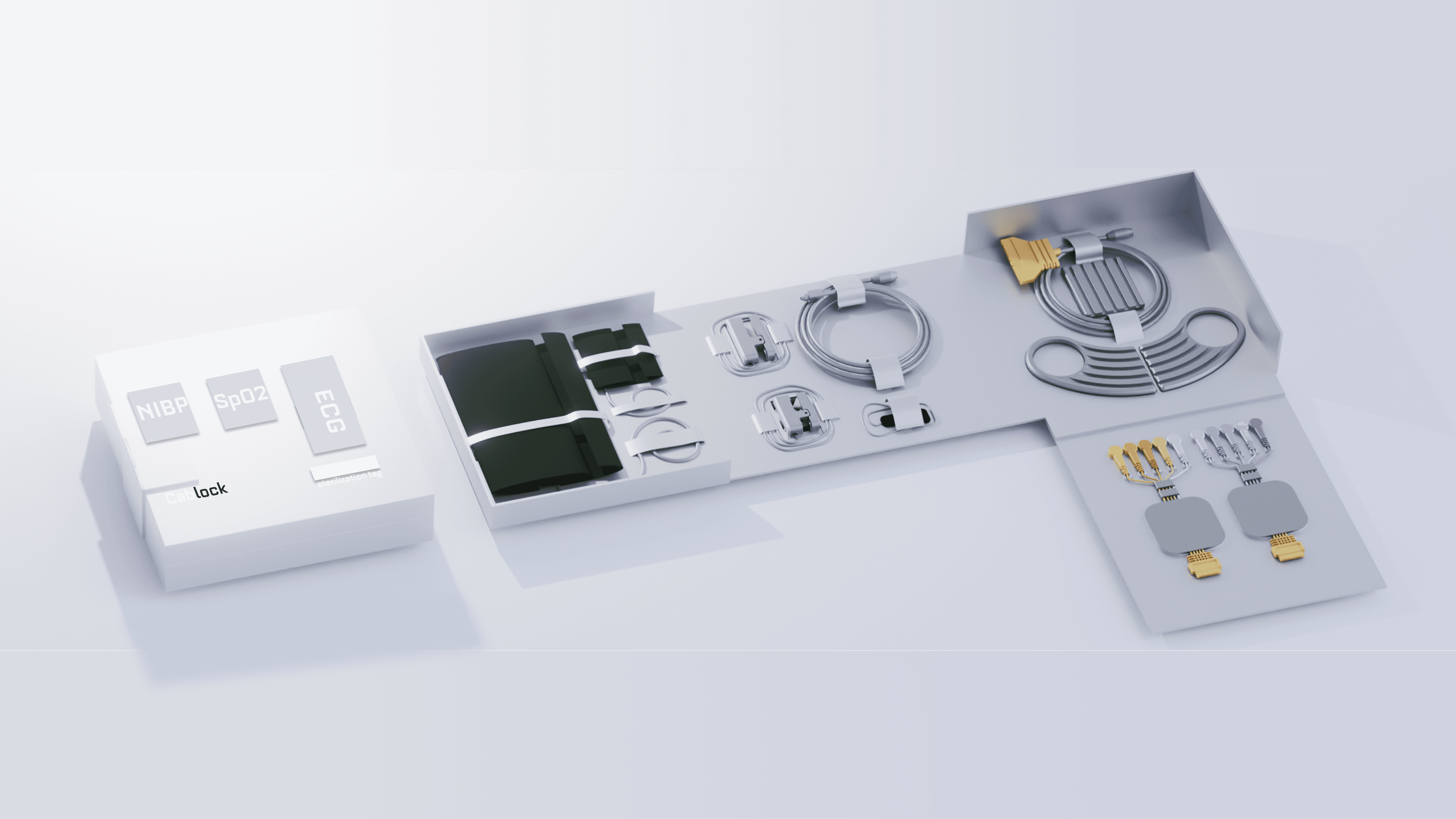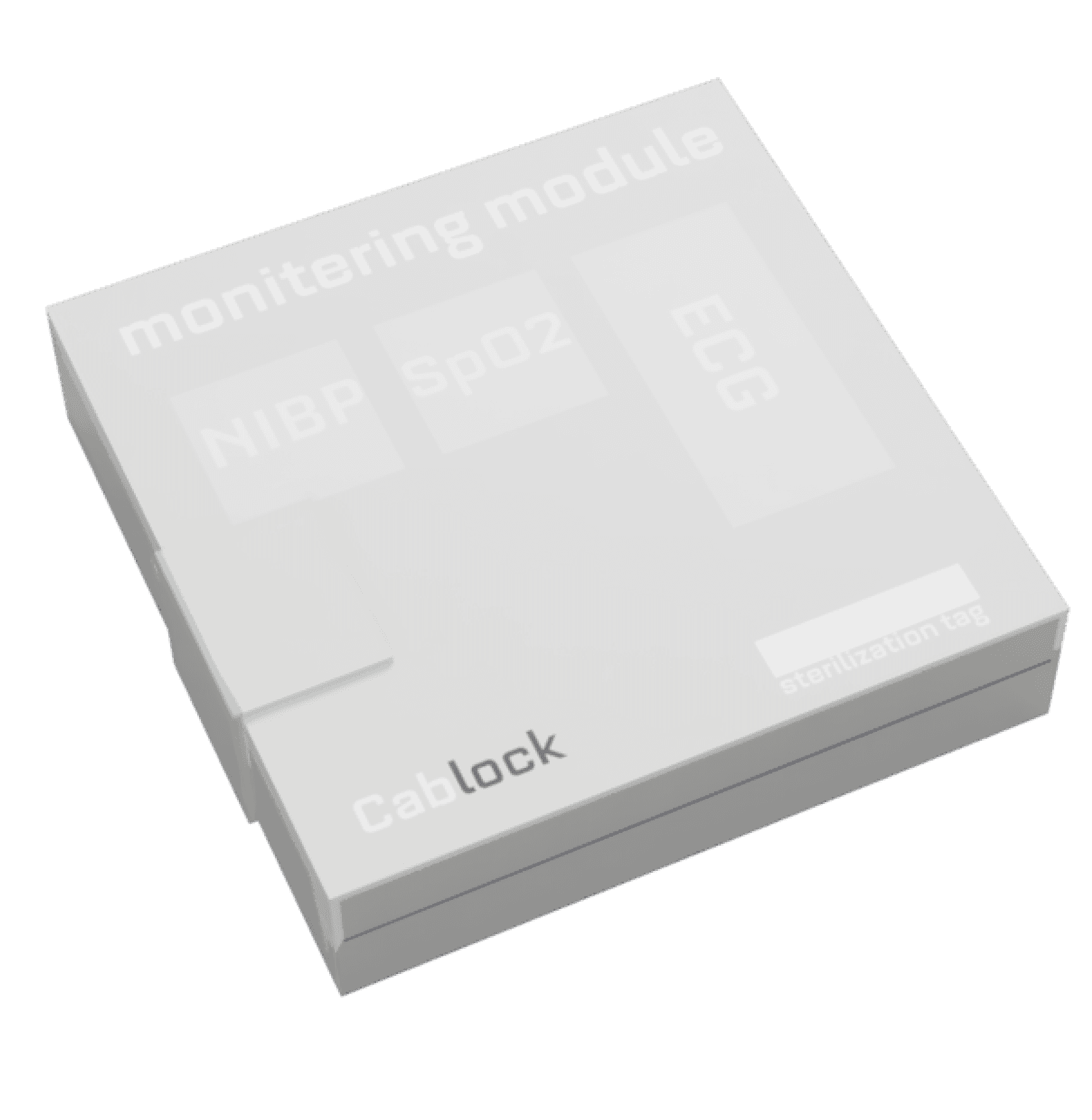
CabLock
A compact management system developed for patient monitoring cables connected to a defibrillator.
Year
METU ID302
2024-2025 Spring Semester
Role
Product Designer
Problem Statement
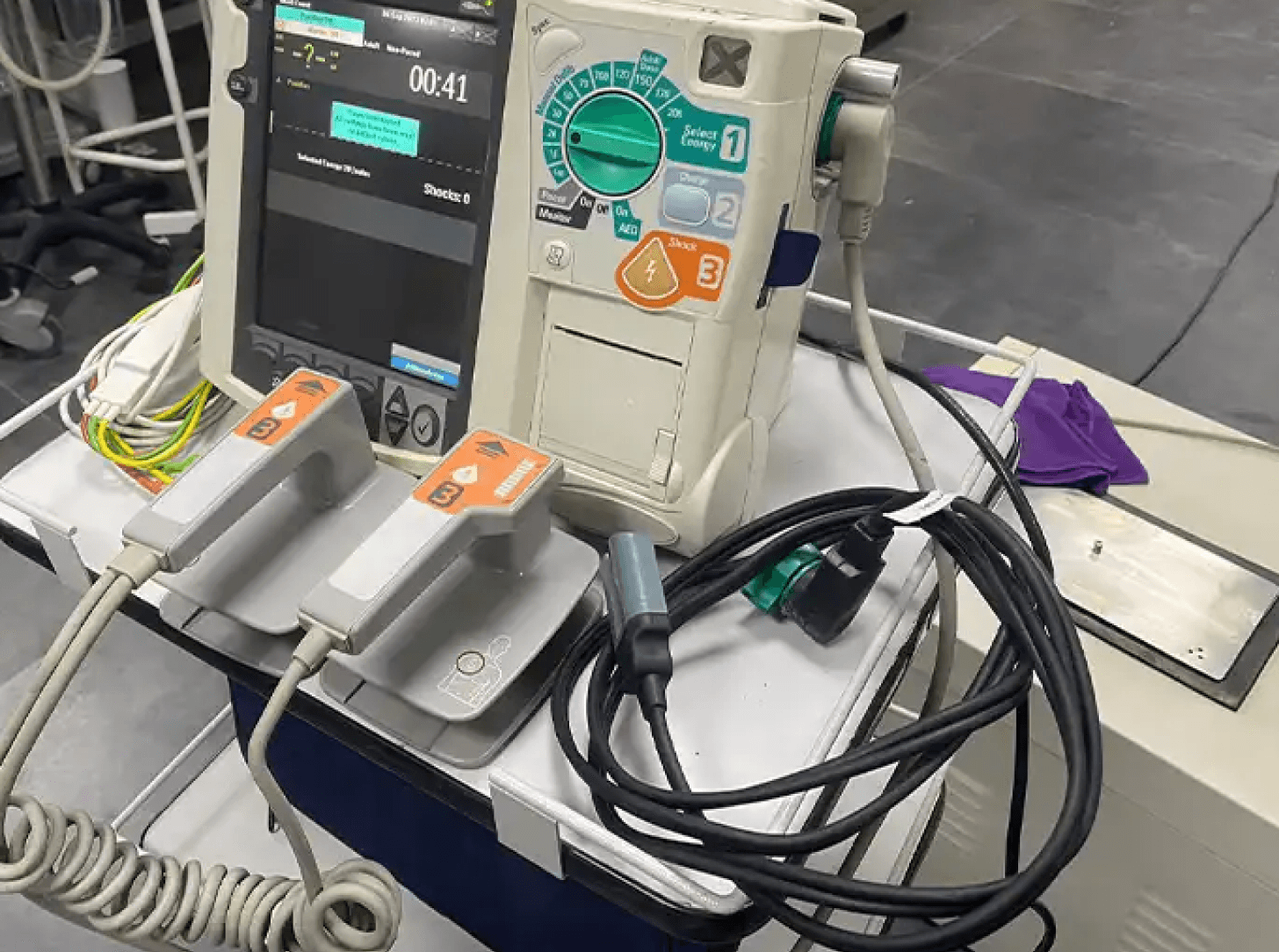
In order for defibrillators to deliver a shock, paramedics must monitor the patient’s vital signs through the screen. These values fall into different categories and are obtained using various cables placed on different parts of the body.
Research Phase
Body systems that can be monitored include:
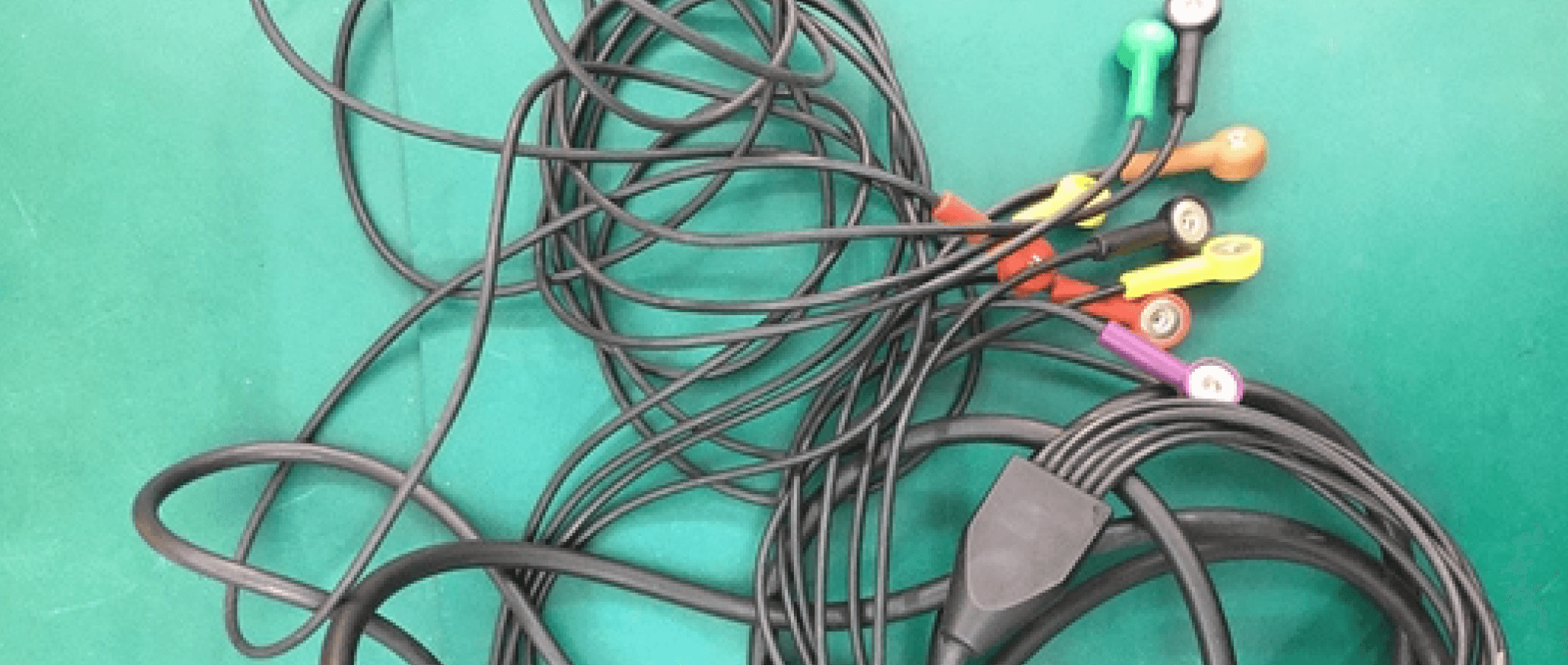
Problems caused by complicated cables
Safety Risks
Contact with cables during defibrillation is shock risk for paramedics
Fire or oxygen hazard: disorganized cables may obstruct evacuation
Risk of tripping or falling around the stretcher area
Time Loss and Intervention Delays
Time-consuming sorting of electrodes and cable
Delayed initiation of CPR and defibrillation
Risk of infectious disease
Ignoring cable cleaning increases cross-contamination risk.
Paddles-
Left
AED
Cardiovascular system
Fluid and electrolyte balance
Body temperature
Respiratory system
Right
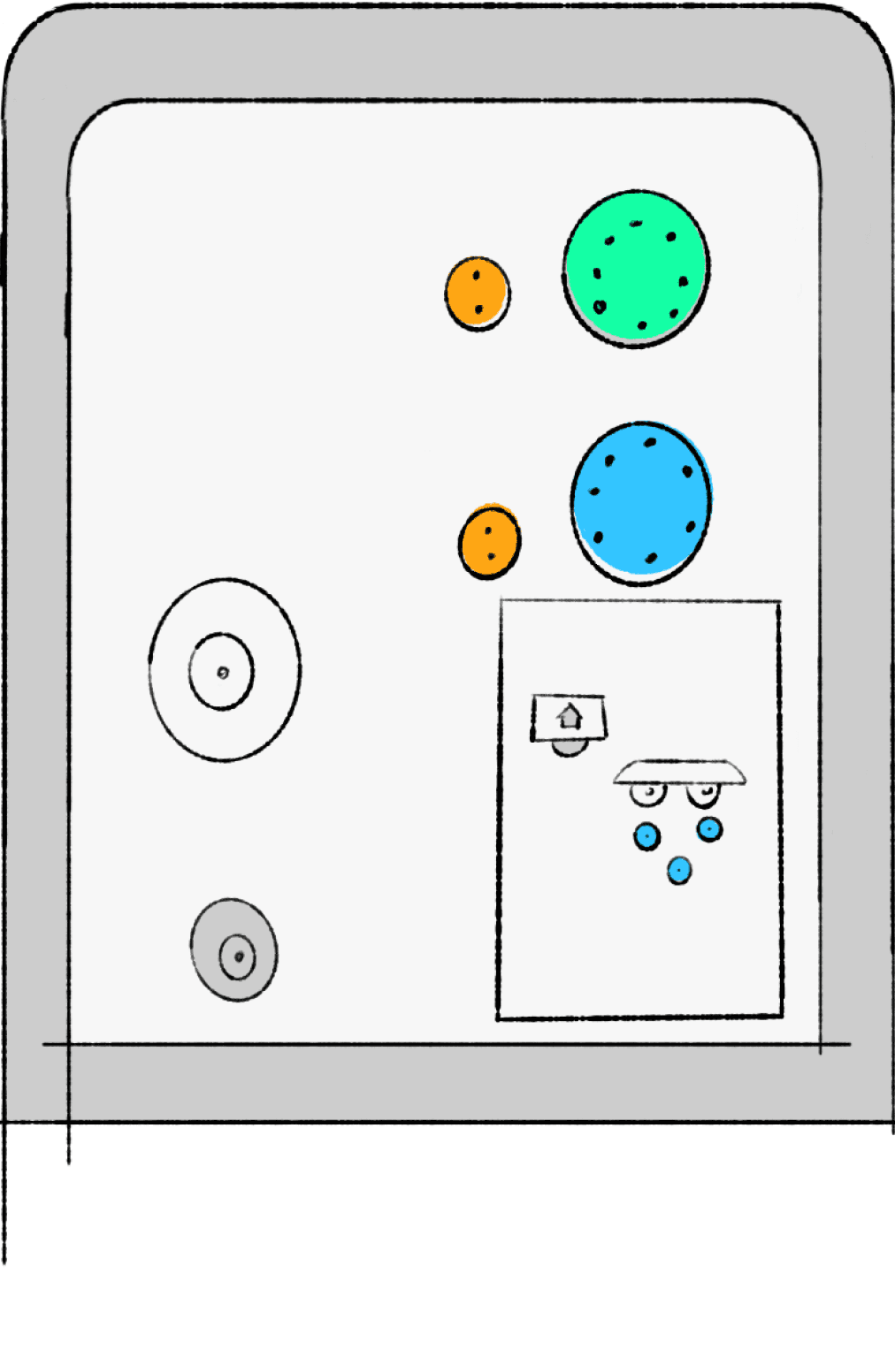
ECG
T1/T2
SpO2
CO2
NIBP
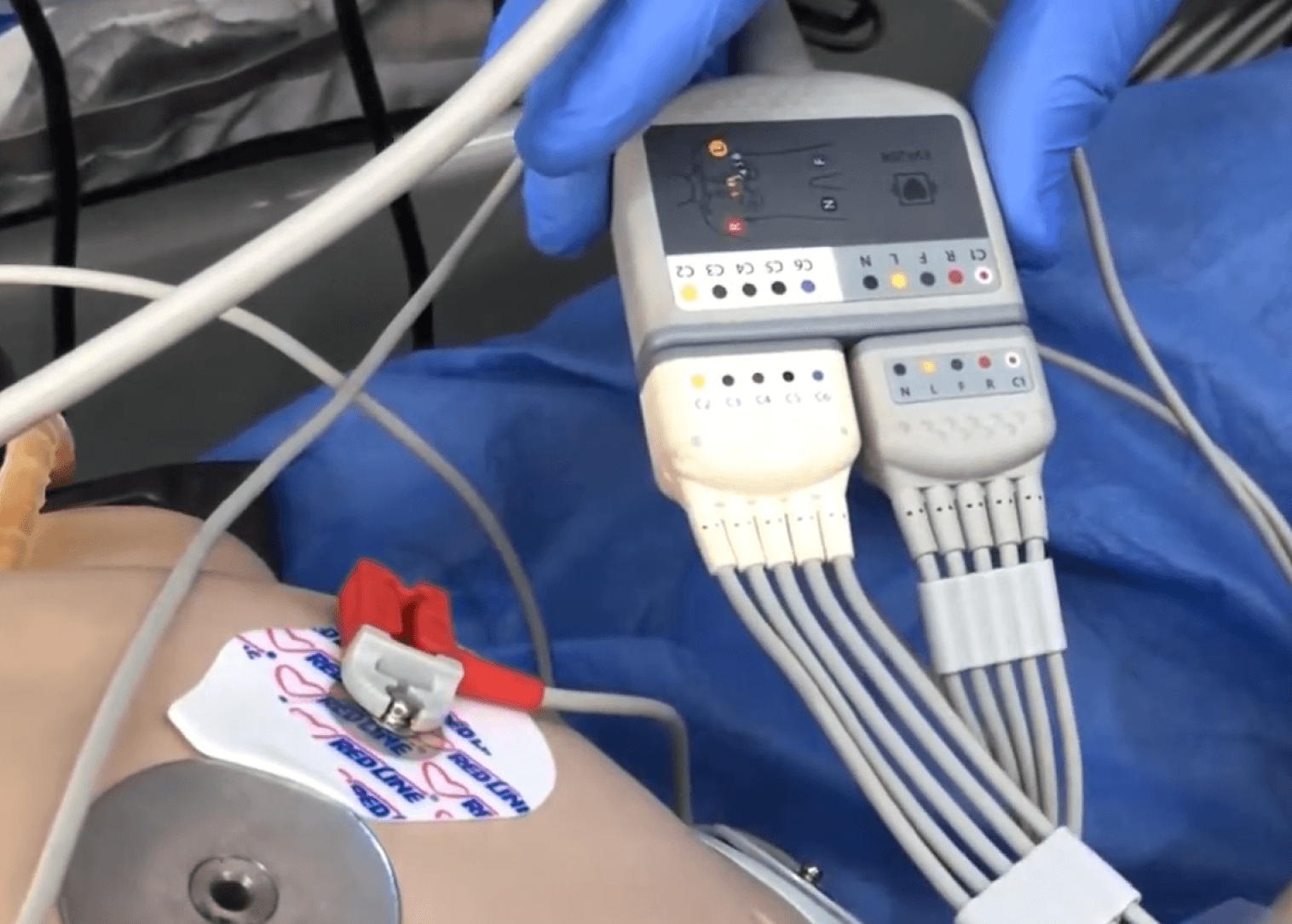
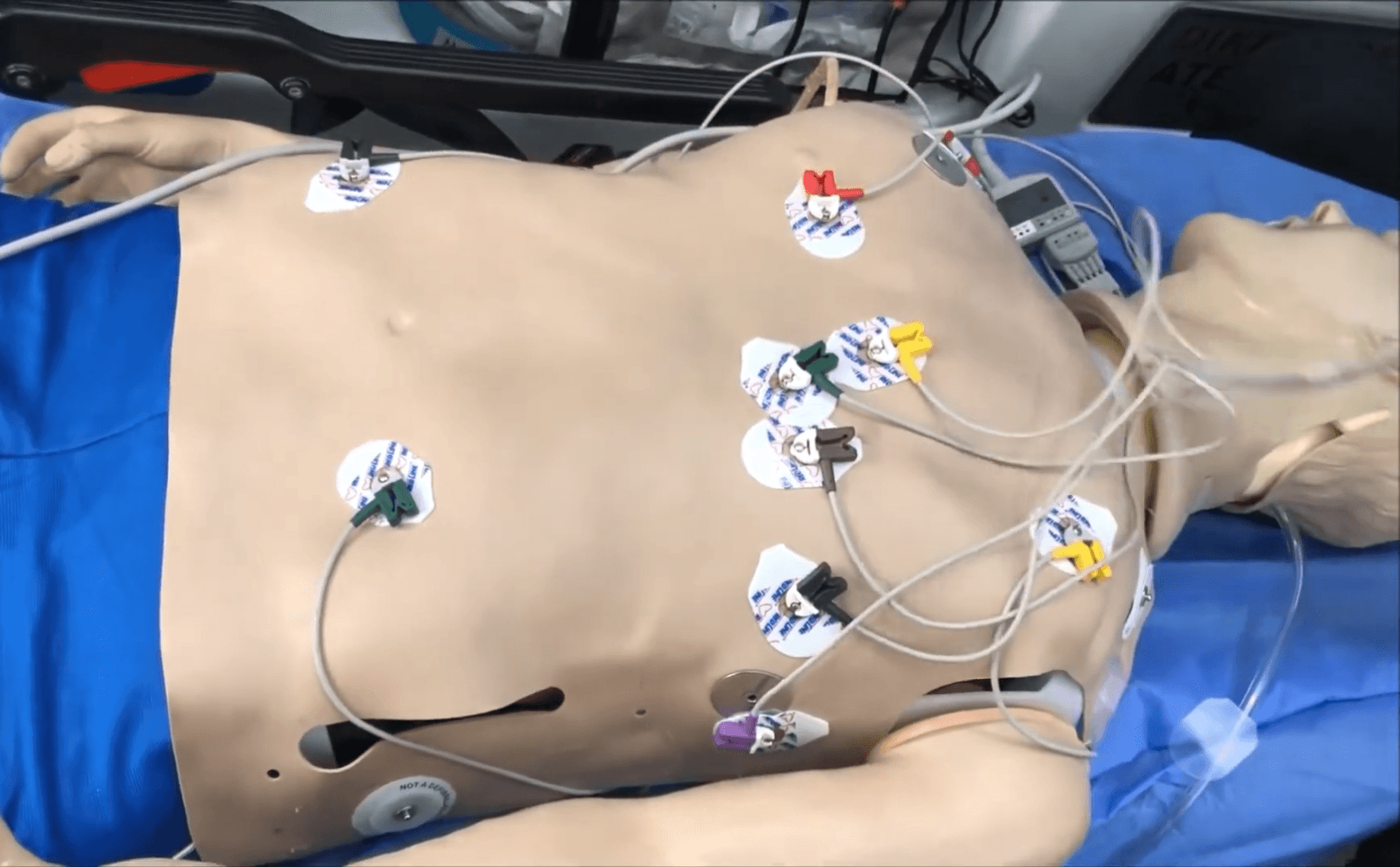
12-lead electrocardiogram
Traditional 12-lead ECG systems rely on multiple fragile cables that cause clutter, delay, and signal loss — especially in emergency settings.
User Group
Hard to carry and organize cables
No label for used or clean cables
All cables are in one bag
Carrying bags are not hygienic
Hard to find the right cable quickly
Cables get mixed

Elif – 29 years old, paramedic
Pain Points
Oğuzkan – 41 years old,
senior paramedic
What do they need?
Easy access to organized cables
Clean and sterile system
Portable and clear to use
How do they manage the cables?
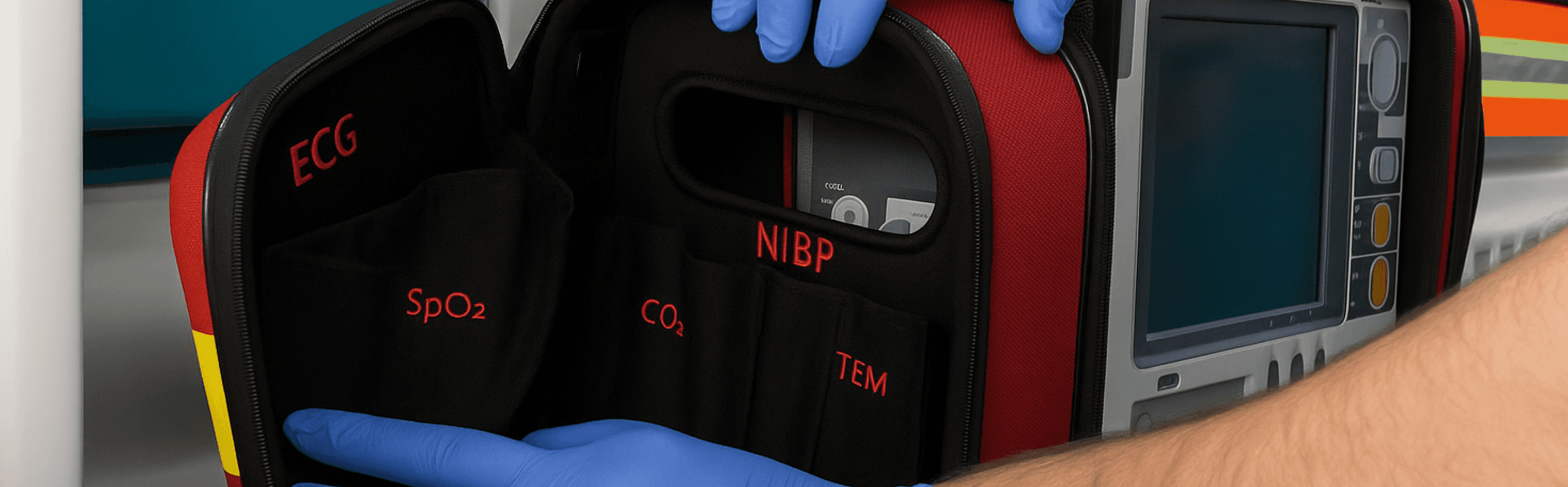
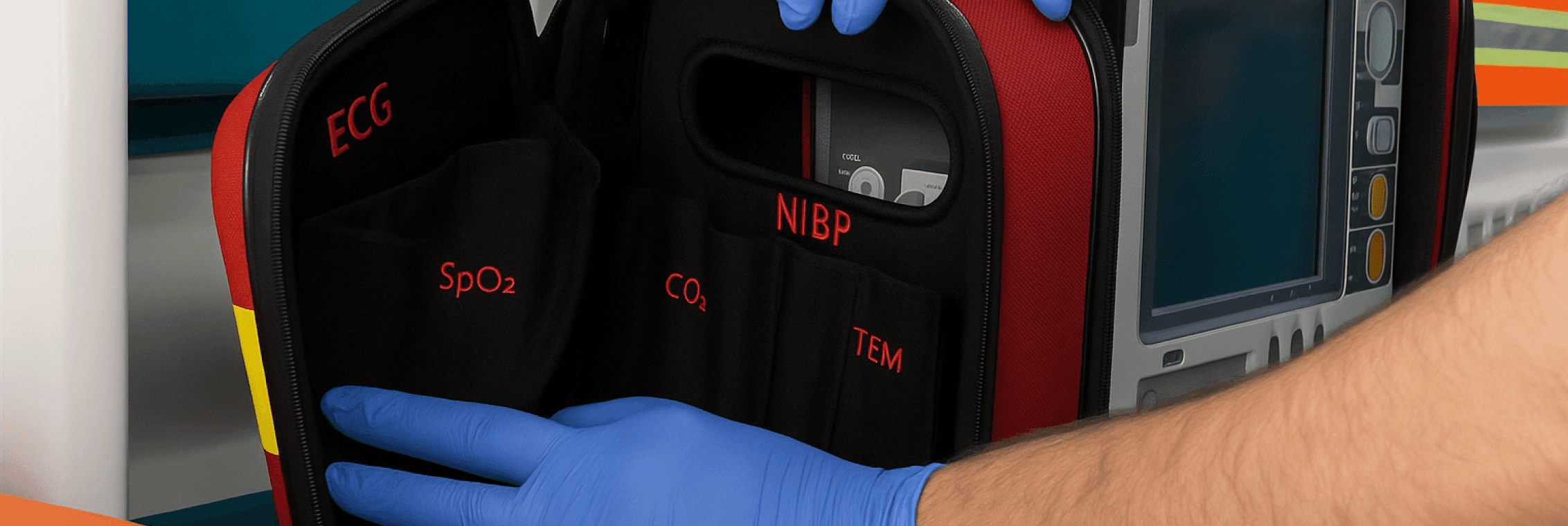
This bag is widely used in Turkey, but its cable compartments are often ignored and causing tangling and poor sterilization.
Features
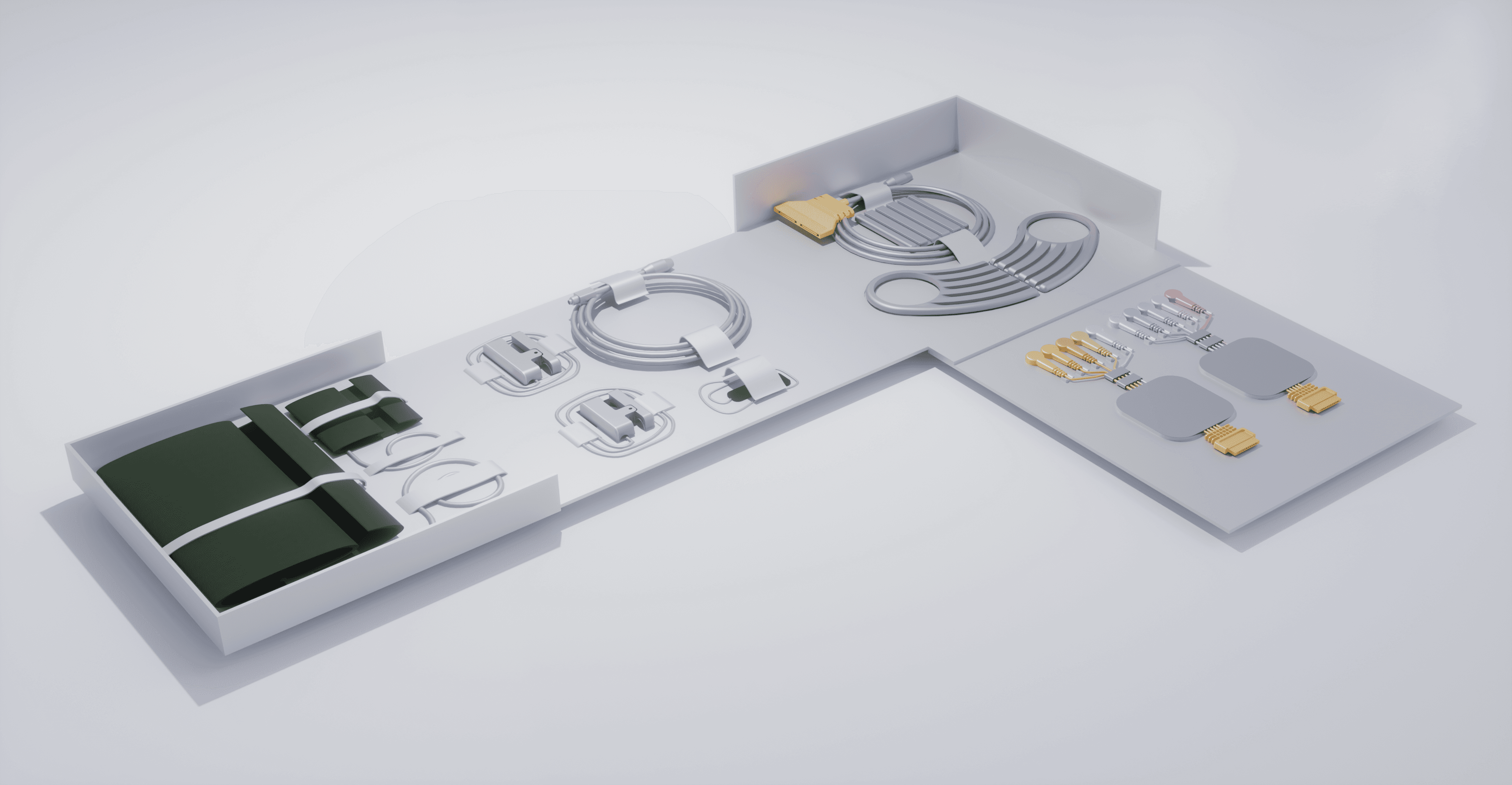
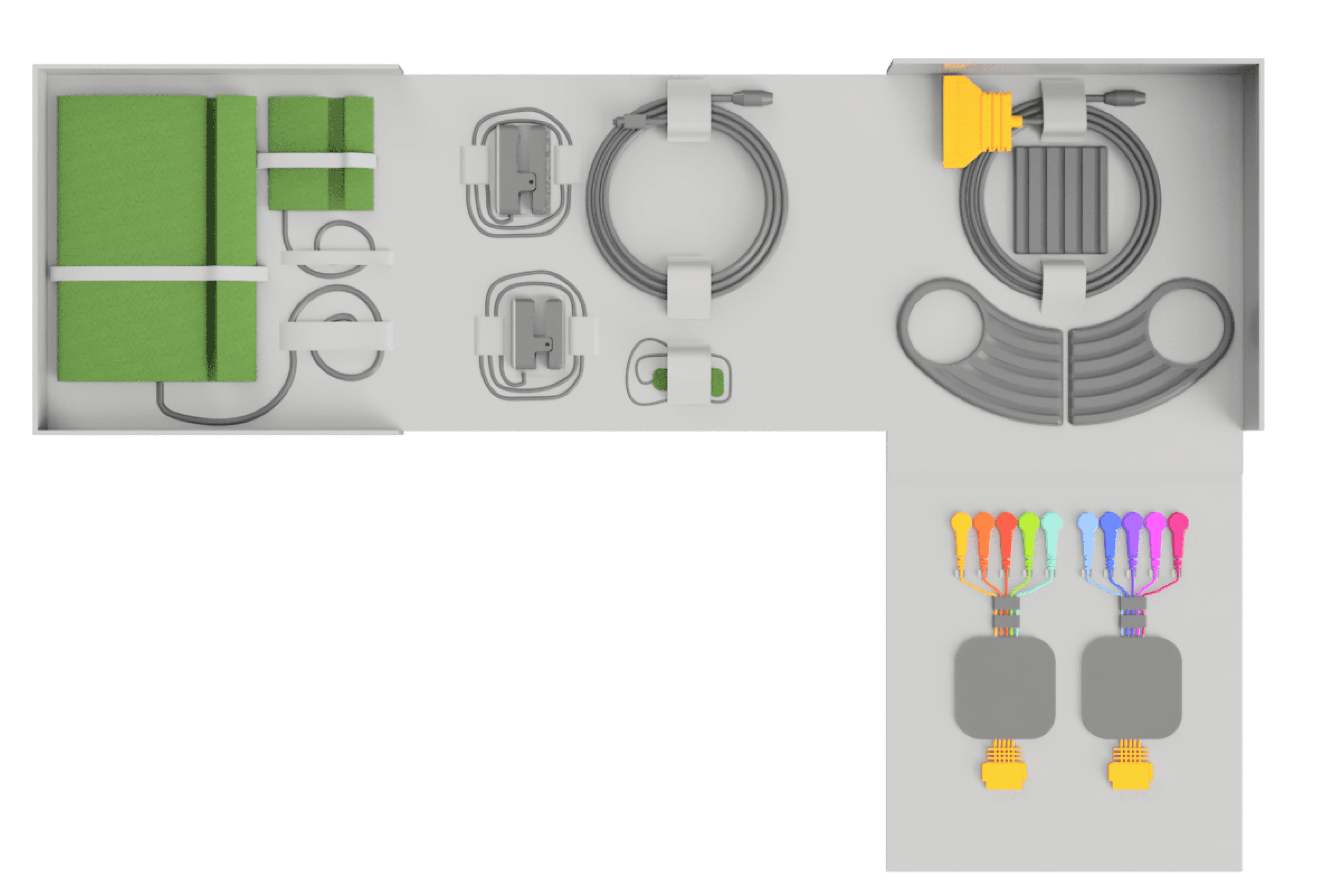
Modular Compartment Logic
Each have defined regions based on priority and cable size and each cable group has its own slot.
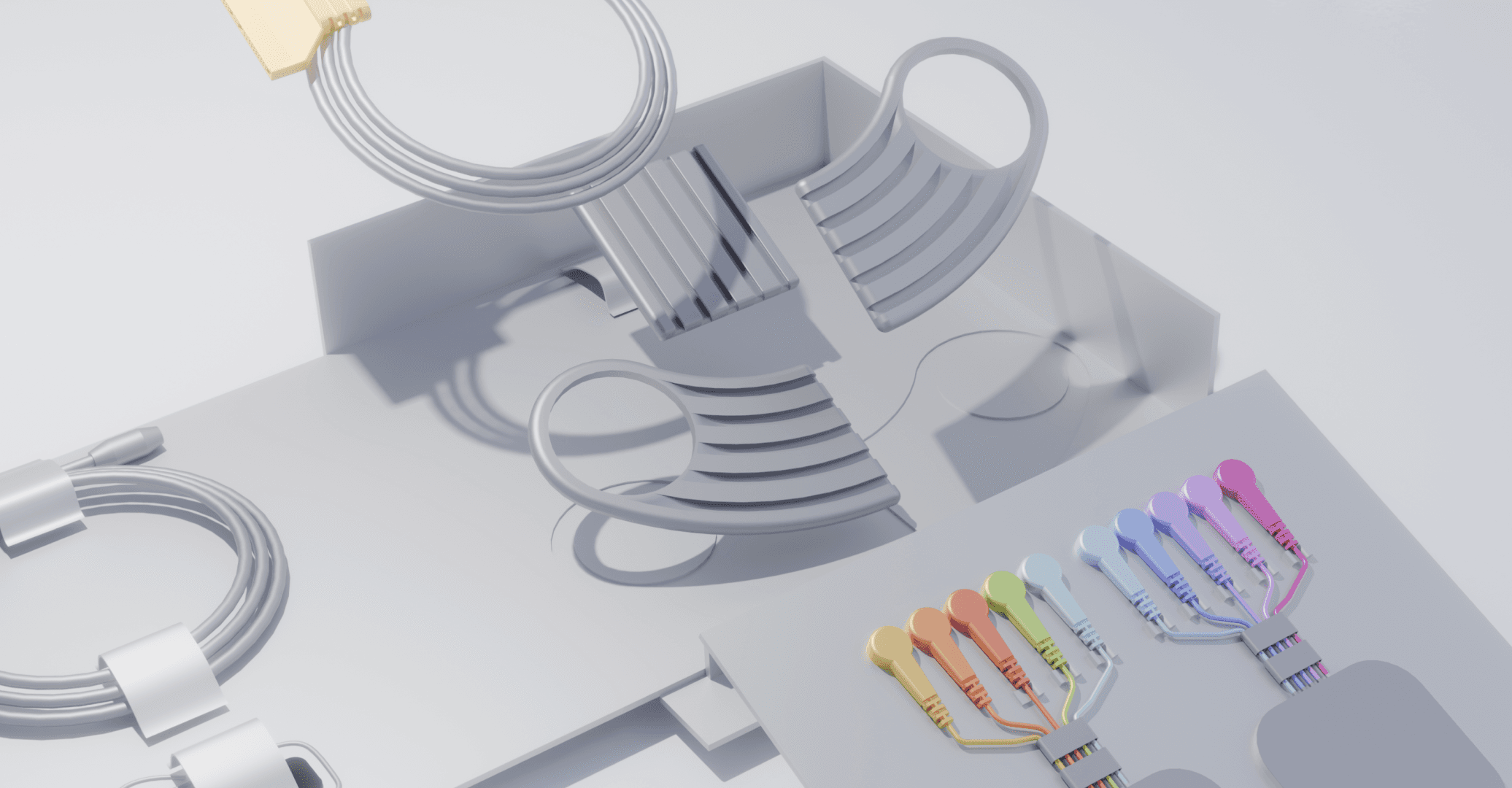
Quick Access
Cables can be picked up in the right order, even under pressure.
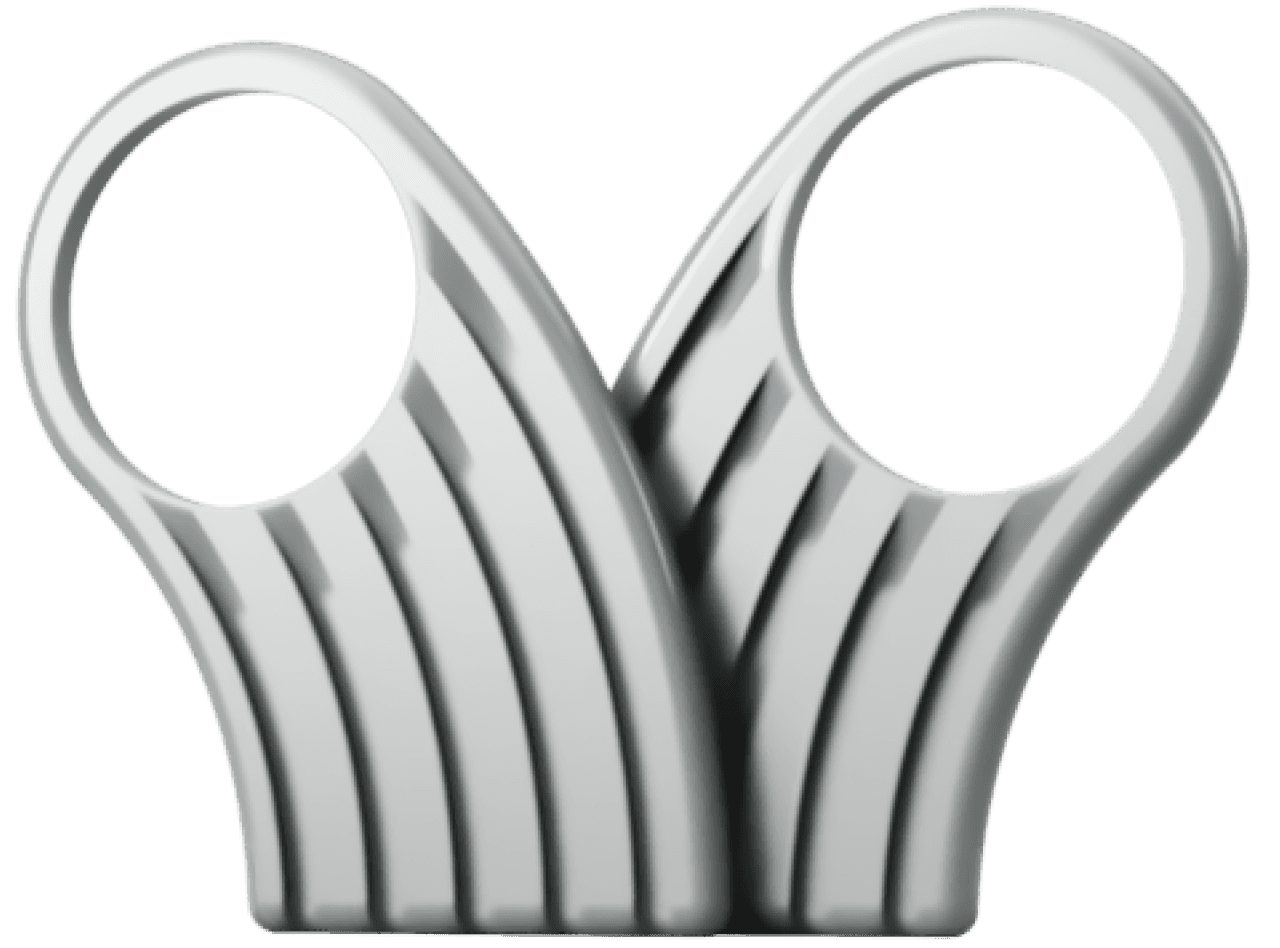
Guide Component
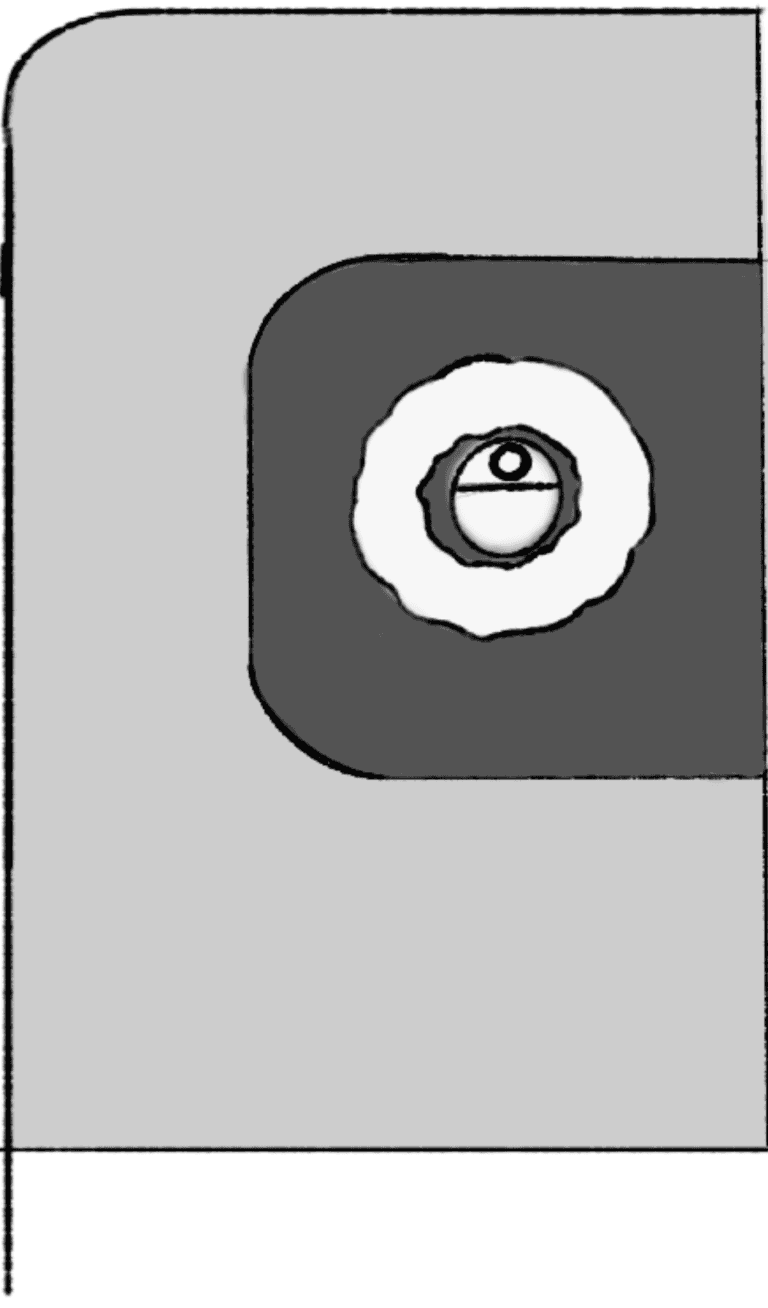
It is fixed to the skin and creates a stable pathway for the cables. It ensures that the shock area remains clear.
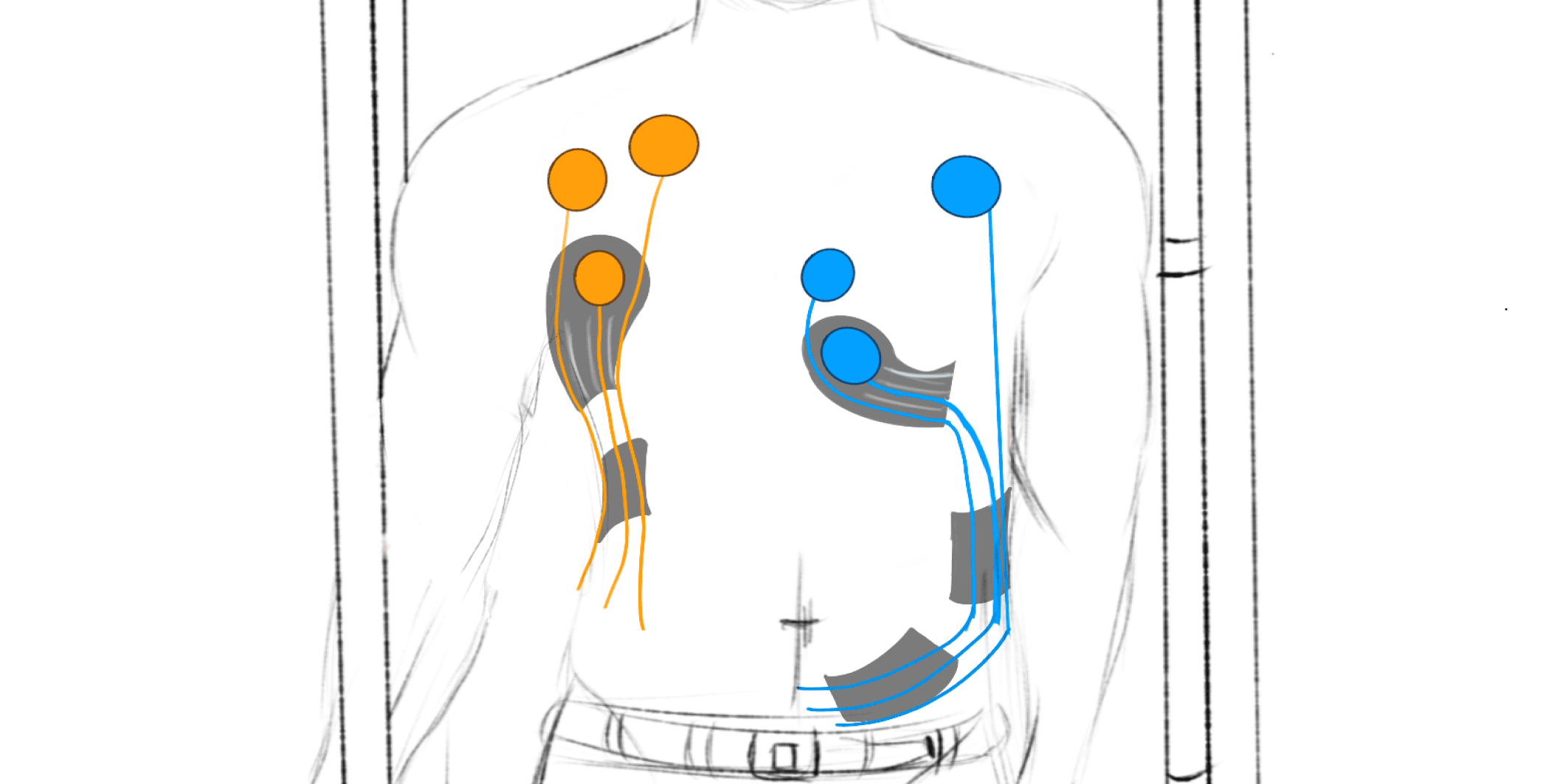
Reinsertation memory
During defibrillation, the user can safely remove the electrodes and reattach them in the same order.
Usage Scenario

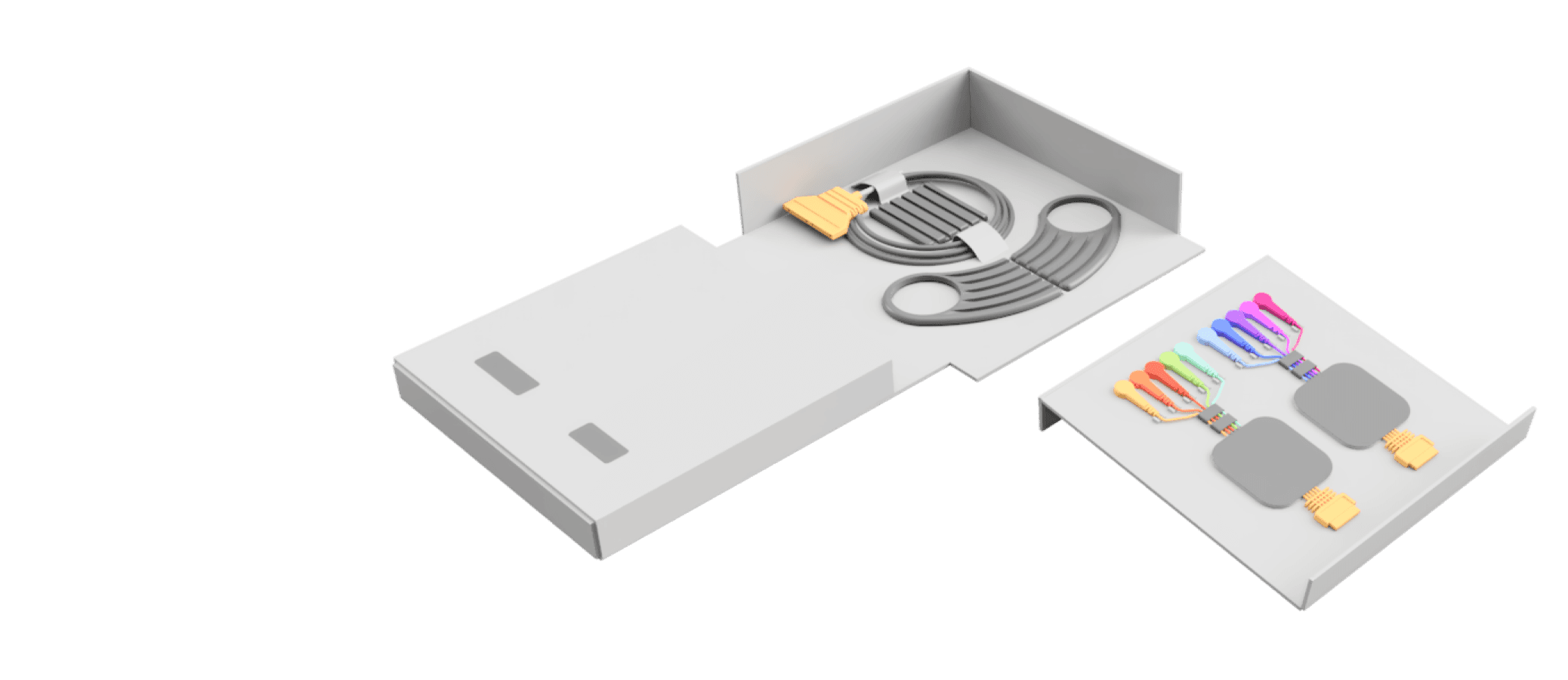
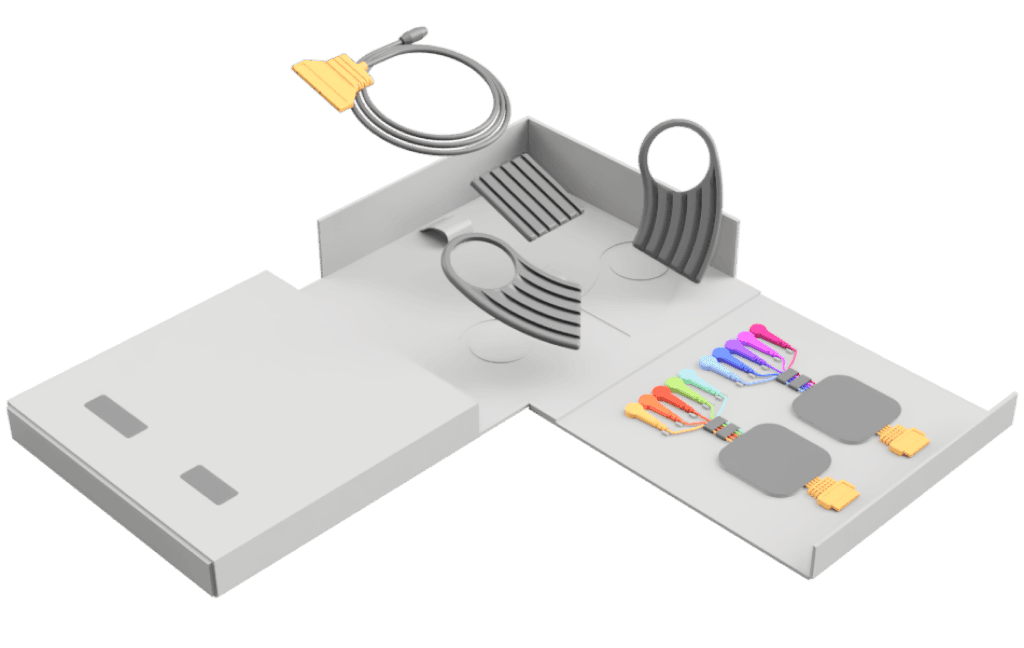
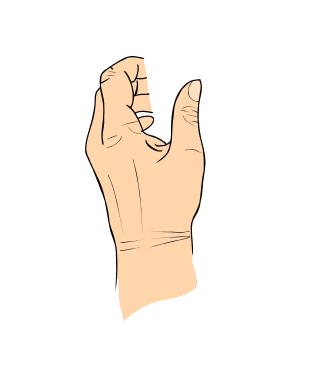
In the first step, ECG is applied. The main cable is connected first to enable attachment to the defibrillator.
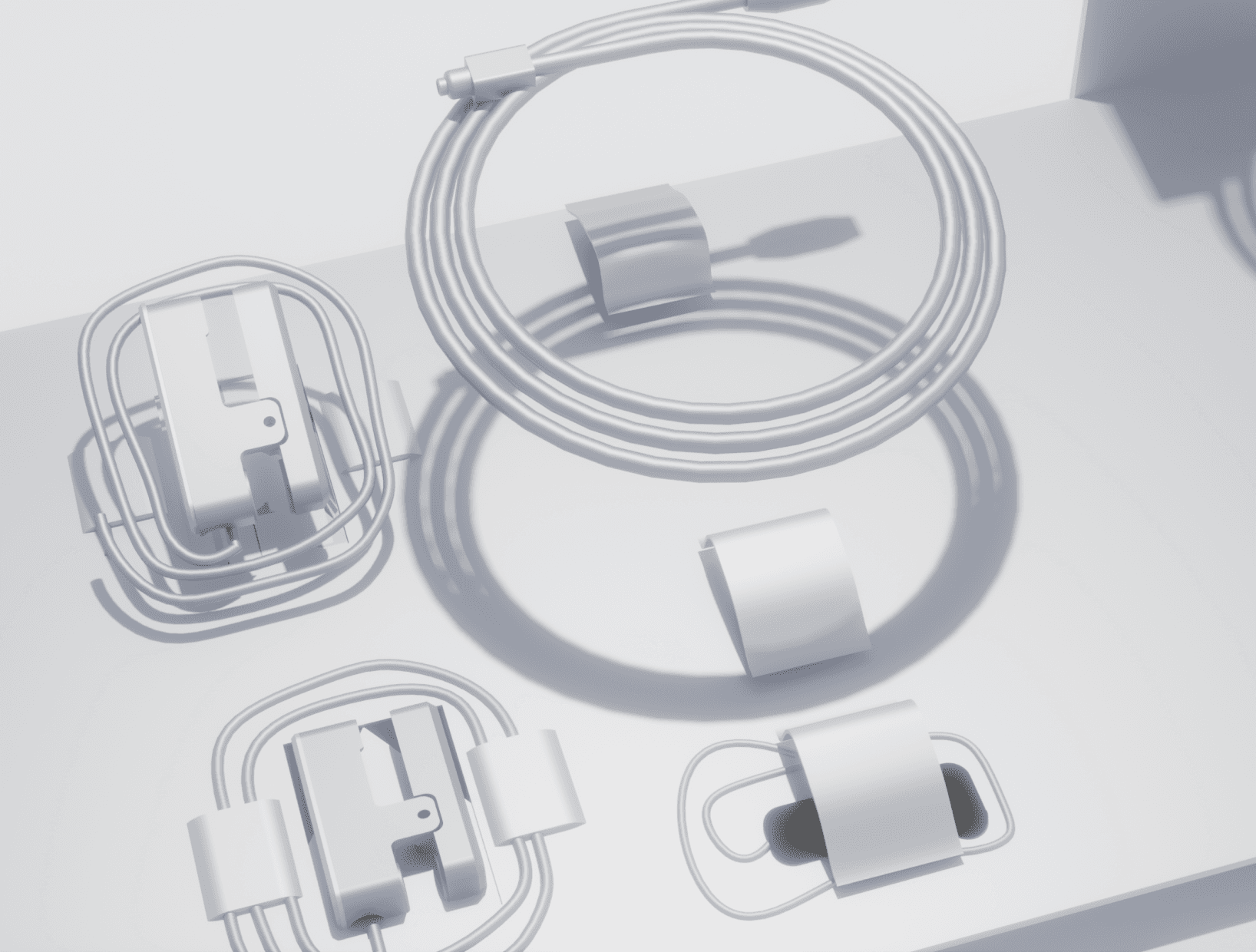
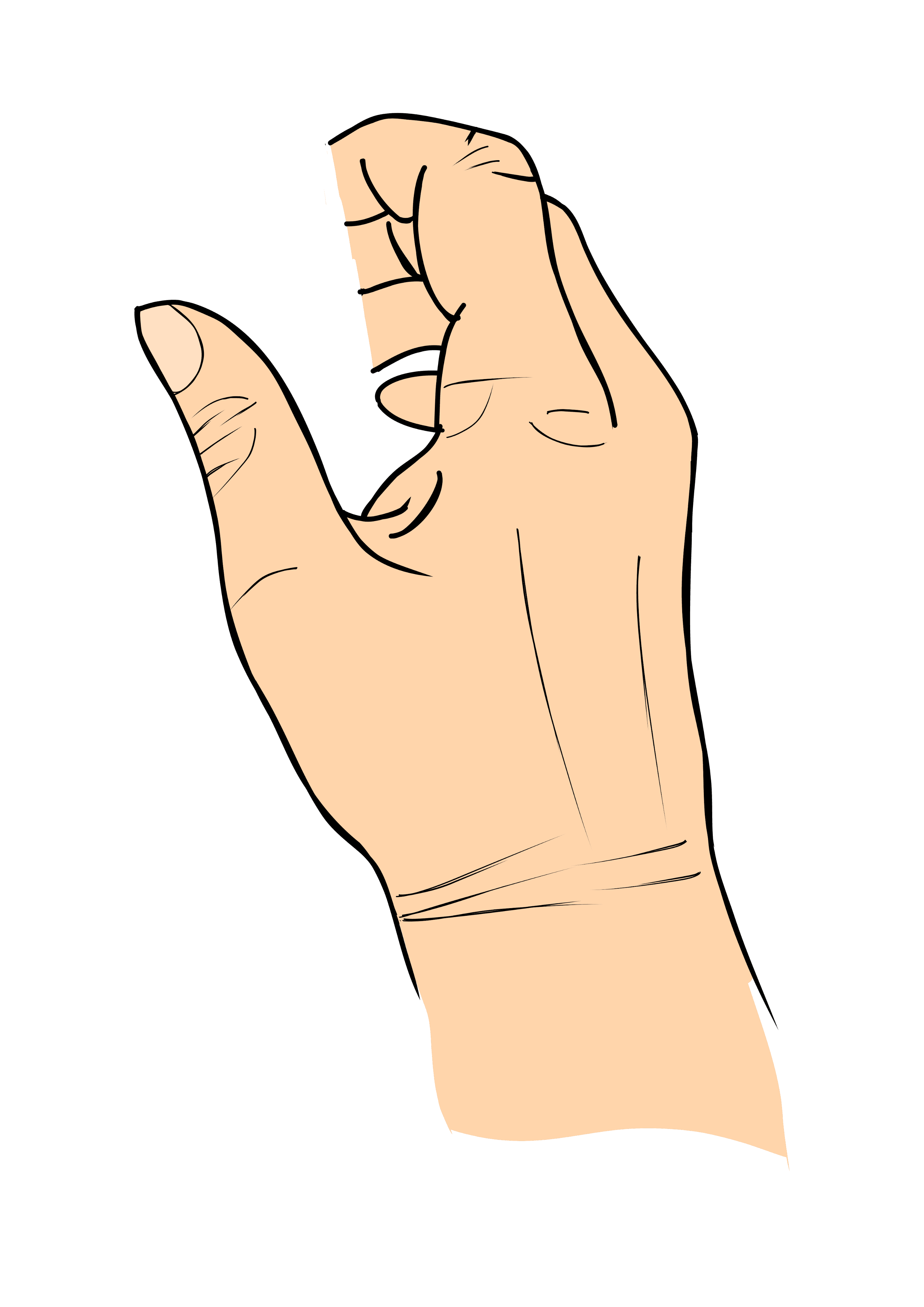
The pulse oximeter is attached to the patient with the appropriate accessory based on their age.
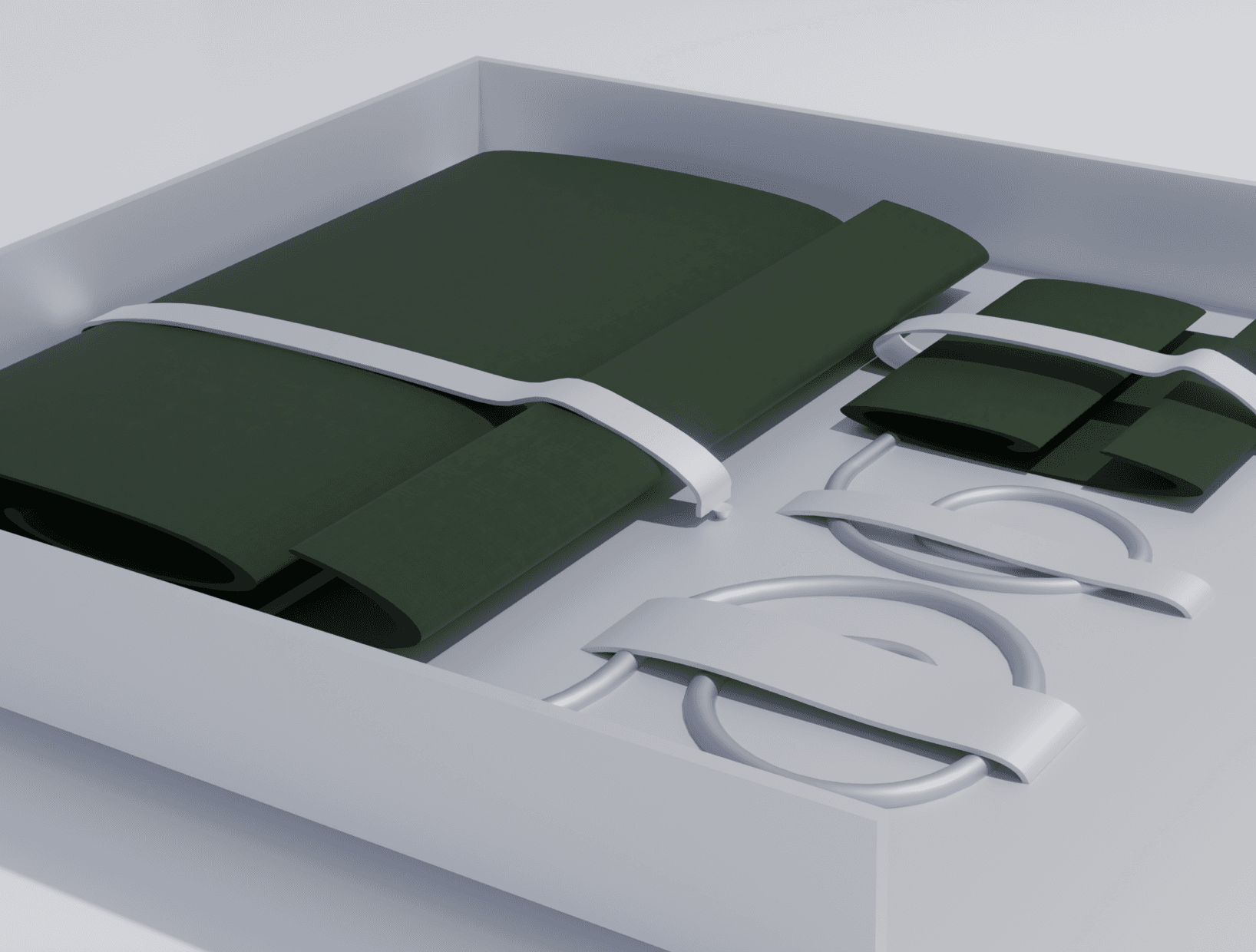
And as the final step, the blood pressure cuff is attached in the same way.